Dec 5, 2025 · 8 min read
All Resources
A comprehensive breakdown of emission sources from farm to factory, and strategies for reduction while maintaining quality and farmer livelihoods.
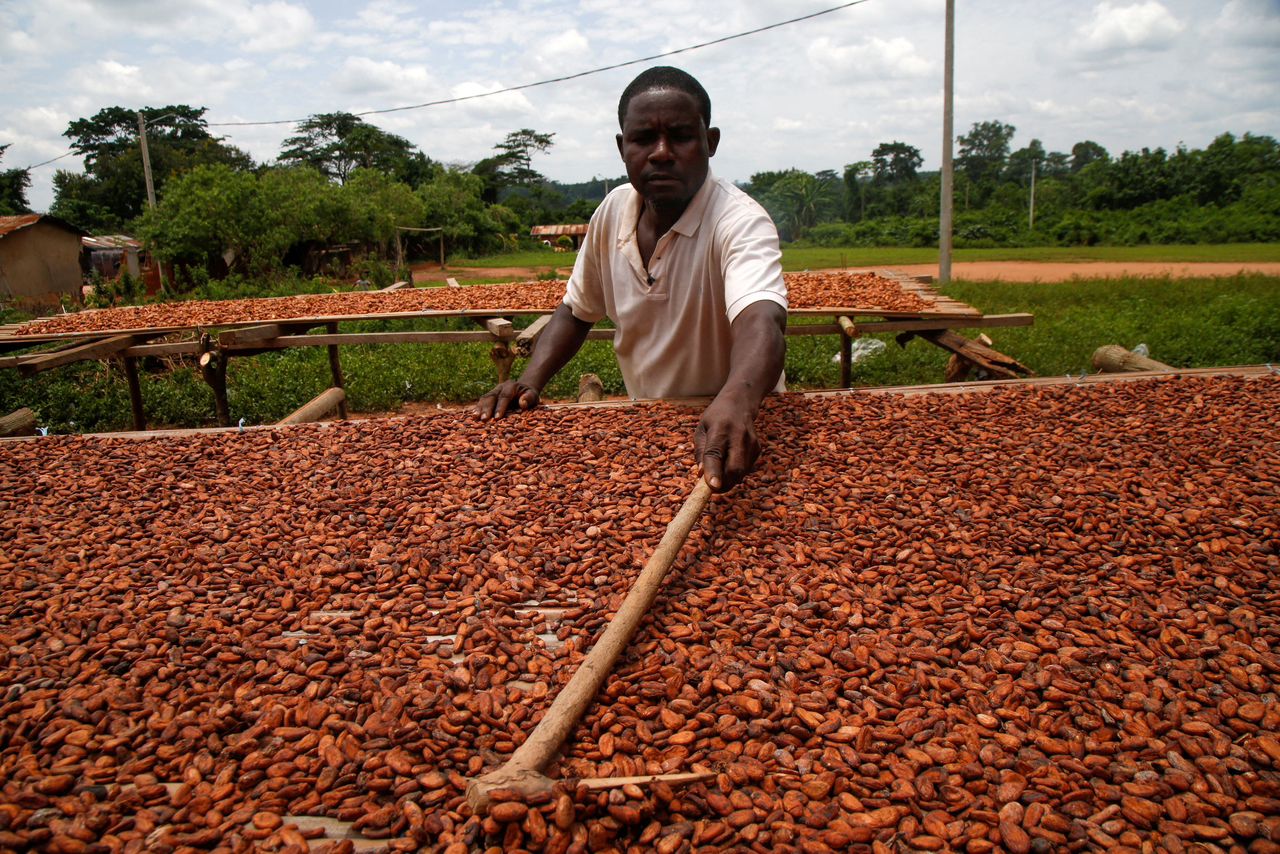
📸 Cocoa farm in Côte d'Ivoire
"Measuring emissions across cocoa supply chains is no longer optional — it's becoming essential for ESG reporting, investor transparency, and regulatory compliance."
The global cocoa industry is under unprecedented scrutiny. With the European Union's Deforestation Regulation (EUDR) coming into full effect and investors demanding greater transparency, understanding and reducing carbon emissions has become a strategic imperative for every player in the supply chain — from smallholder farmers to multinational chocolate manufacturers.
Global cocoa supply chain emissions
Occur at farm level
With digital monitoring
Carbon emissions in cocoa supply chains occur at multiple stages — each with unique characteristics and reduction opportunities. Understanding these sources is the first step toward meaningful action.
The largest single source of emissions in cocoa production. When forests are cleared for new plantations, centuries of stored carbon are released. In West Africa alone, cocoa-driven deforestation accounts for 14 million tons of CO₂ annually.
Fertilizers, pesticides, and farm operations contribute significantly. Nitrogen-based fertilizers release nitrous oxide — a greenhouse gas 298 times more potent than CO₂.
From farm to port, across oceans to processing facilities — transportation emissions add up. A single container shipped from West Africa to Europe generates approximately 2.5 tons of CO₂.
Roasting, grinding, and conching require significant energy. Traditional processing facilities often rely on fossil fuels, though renewable energy adoption is growing.
The EU's Corporate Sustainability Reporting Directive (CSRD) now requires detailed Scope 3 emissions reporting. Non-compliance can result in fines of up to 5% of global revenue.
Major investors are divesting from companies without clear climate strategies. BlackRock, Vanguard, and others now require TCFD-aligned reporting.
73% of consumers say they would pay more for products with verified carbon footprint information. Transparency builds brand loyalty.
Reducing emissions often means more efficient farming — less fertilizer, better yields, and access to carbon credit markets.
Digital traceability platforms like BeanPaths allow companies to combine geolocation, yield data, and transportation logs to estimate emissions accurately and identify reduction opportunities.
Precise farm boundaries for land-use calculations
Real-time emission estimates per batch
AI-powered recommendations
Integrating shade trees can sequester up to 5 tons of CO₂ per hectare annually
Optimized fertilizer application reduces emissions while maintaining yields
Solar-powered drying and processing facilities
AI-powered logistics reduce transport emissions by up to 25%
Using BeanPaths' digital monitoring, a major chocolate manufacturer identified inefficiencies in their West African supply chain and implemented targeted reductions.
Join 100+ companies already using BeanPaths for accurate carbon accounting, regulatory compliance, and sustainability reporting.
No commitment required • Free carbon assessment included